The world’s oceans are under unprecedented pressure as a result of human activities. Overfishing, pollution, biodiversity loss and the accelerating impacts of the climate crisis are pushing marine ecosystems to their limits.
Whales play a vital role in maintaining healthy oceans – they distribute nutrients, support phytoplankton growth and stabilise food webs. They also help regulate the climate by enhancing the ocean’s capacity to store carbon. Even in death, whales continue to benefit the marine environment; when their bodies sink to the ocean floor, they create “whale falls” that nourish deep-sea species for decades, forming entire ecosystems in the deep ocean.
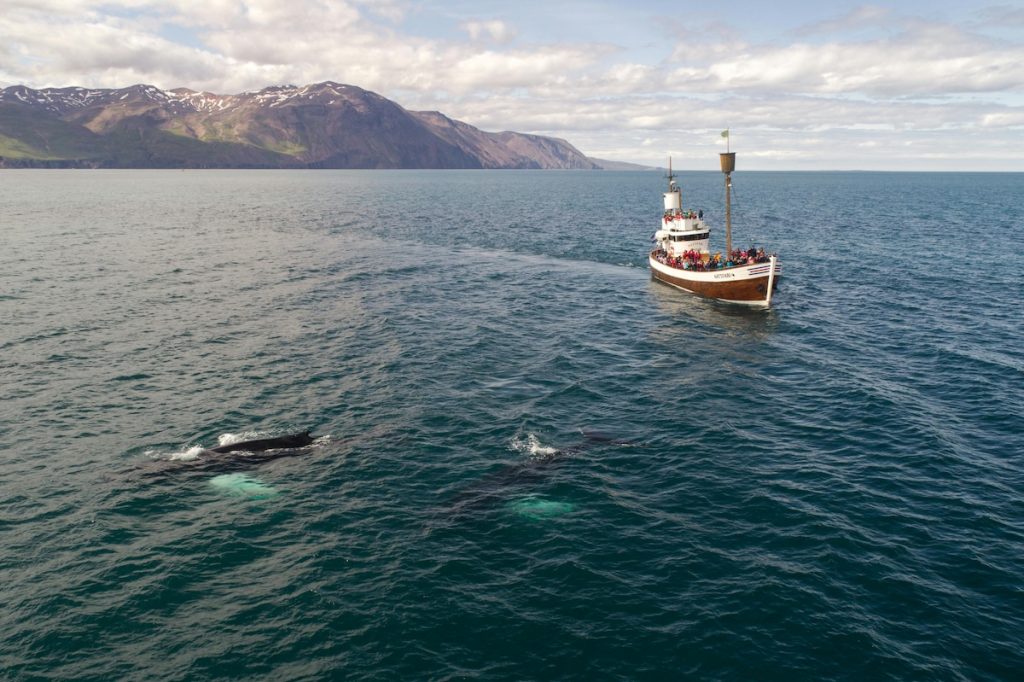
Whale watching in Iceland
At the same time, healthy whale populations support thriving coastal eco-tourism industries, generating billions in sustainable whale watching revenue in more than 120 countries around the world, bringing joy to millions of people.
Commercial whaling is unsustainable, inhumane and unnecessary.
Whales are sentient, highly intelligent beings with rich social lives. Scientific research has shown that whales are capable of complex communication, with some species developing distinct languages and dialects. They form long-lasting social bonds, pass on knowledge across generations and exhibit behaviours that clearly indicate culture. Whales have been documented mourning their dead, supporting injured individuals, and even adopting the orphaned calves of other species. Some even use tools, cooperate strategically and display empathy – traits we associate with advanced cognition. To continue hunting such beings for commercial gain raises profound ethical questions.
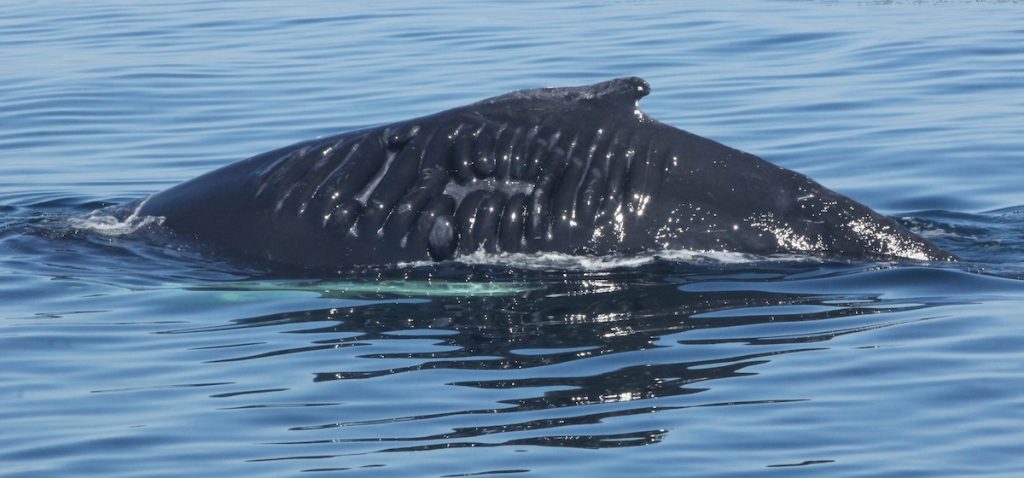
Commercial whale hunting inflicts extreme suffering. Severe injuries, prolonged agony lasting minutes or even hours after harpooning and the death of unborn calves when pregnant females are killed are not rare exceptions but documented realities.
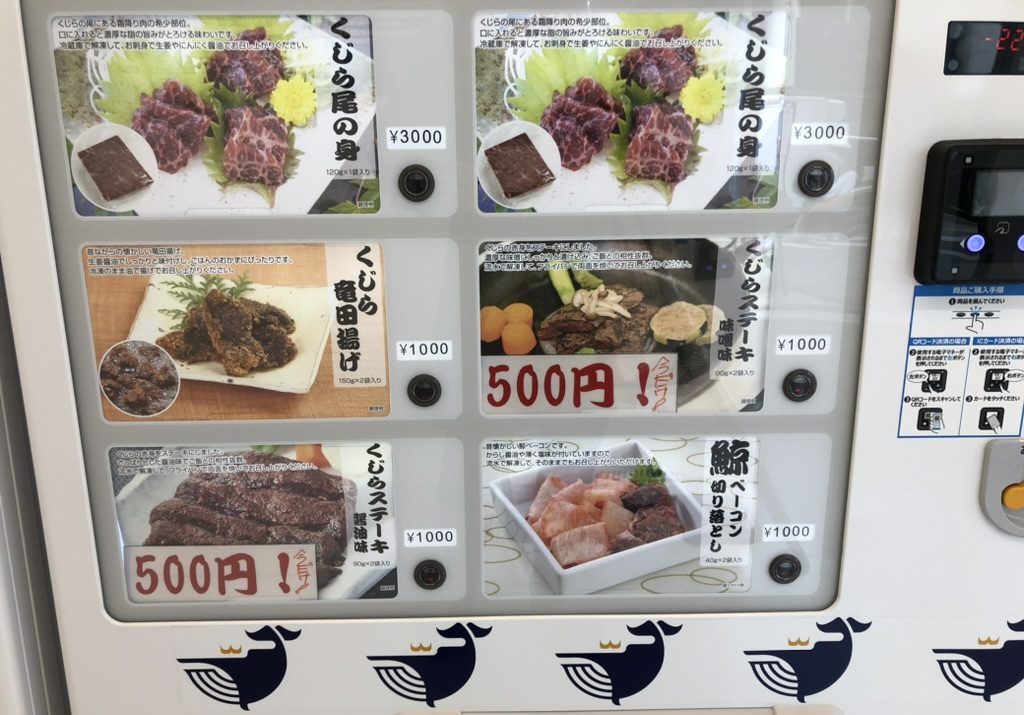
Although the whaling industry in Norway and Japan is striving for higher quotas, demand for whale meat remains low in commercial whaling countries. Even in Japan, the main market for whale meat products, demand is stagnating.
Growing threats are putting whales under increasing pressure
Today, threats to marine life are increasing rapidly. Noise pollution, plastic and chemical pollution, overfishing, entanglement in fishing gear, ship strikes and rising ocean temperatures already put immense pressure on whales and countless other species. Without a doubt, humanity urgently needs to address all of these challenges. But one threat that can easily be eliminated, and should have been completely eliminated for 40 years, is commercial whaling.
As scientific understanding of the threats facing whale populations increased, the role of the IWC also changed. Today, the IWC focuses primarily on the protection of whales, the scientific assessment of their populations and international cooperation to address the key threats to their conservation.
The world is facing a global crisis of climate change, biodiversity loss and ecosystem collapse – a crisis created by human activity. Whales are not part of the problem; they are part of the solution.
At a moment when resilient ecosystems are more essential than ever for life on Earth, protecting whales and ensuring their recovery after decades of overhunting is not optional – it is essential.